When you hear the phrase “web marketing”, what comes to mind? For many people, it sounds like a buzzword tossed around in business meetings. But here’s the truth: web marketing isn’t just a trendy phrase — it’s the engine that powers online growth.
Whether you’re running a small bakery, launching a tech startup, or growing an e-commerce store, you need web marketing strategies that actually work in the real world. Forget the fluff, forget the empty promises. Let’s dive into practical, proven strategies that drive real results.
What Is Web Marketing, Really?
At its core, web marketing (also known as online marketing or digital marketing) is all about promoting your business on the internet. It’s everything from your website to your social media presence, from the emails you send to the ads you run.
Think of it as building digital “roads” that guide people straight to your business. The more roads you build (and the smarter they are), the more people find you.
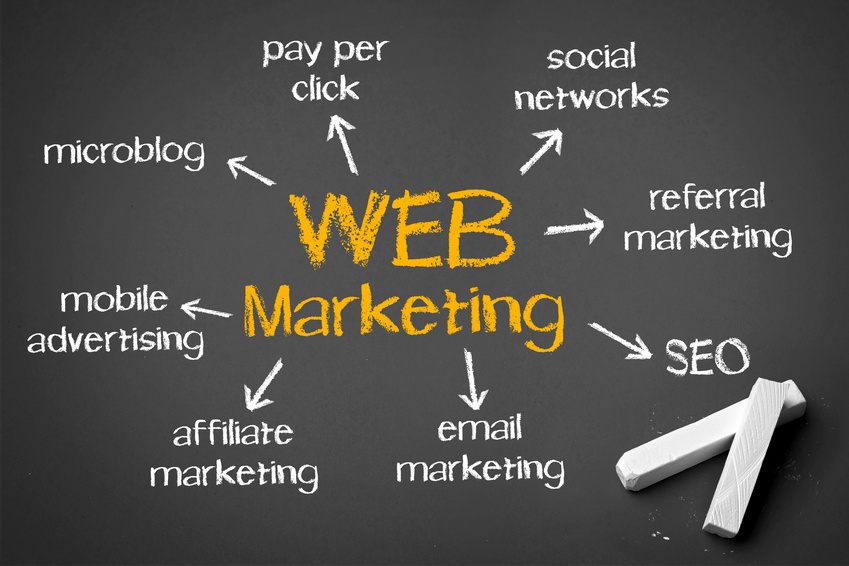
Some common areas of web marketing include:
-
SEO (Search Engine Optimization): Ranking higher on Google.
-
Content Marketing: Blogs, videos, podcasts — basically useful info that attracts people.
-
Social Media Marketing: Facebook, Instagram, LinkedIn, TikTok — where the people are.
-
Email Marketing: Staying in touch with your audience directly.
-
Paid Ads (PPC): Quick traffic through Google Ads, Meta Ads, etc.
But here’s the catch: not all strategies work the same for everyone. You don’t need every single tool; you need the right ones for your business.
Why Web Marketing Matters More Than Ever
We live in a world where people Google before they buy, scroll before they shop, and check reviews before they commit. If your business isn’t showing up online, you’re practically invisible.
Here’s why web marketing matters:
-
Visibility: People can’t buy from you if they don’t know you exist.
-
Trust: A strong online presence makes you look credible.
-
Engagement: You get to talk directly to your audience (and listen back).
-
Sales Growth: More visibility + more trust = more conversions.
To put it simply, web marketing connects your business to the people who are already looking for you.
Web Marketing Strategies That Actually Work
Now let’s cut to the chase. Here are the web marketing strategies that deliver real, measurable results.
1. Start with a Strong Website
Your website is your digital home. If it looks outdated, loads slowly, or confuses visitors, you’re losing customers before they even get to know you.
Key tips:
-
Keep it clean and easy to navigate.
-
Make sure it’s mobile-friendly (over 60% of traffic is mobile now).
-
Include clear calls-to-action (like “Book Now” or “Shop Here”).
-
Speed matters — aim for pages that load in under 3 seconds.
2. Search Engine Optimization (SEO)
If your website is your home, SEO is the GPS that helps people find it. Without SEO, your site is like a beautiful house in the middle of a forest — nobody knows it’s there.
How to nail SEO:
-
Research the keywords your audience actually searches.
-
Create content that answers their questions.
-
Optimize titles, meta descriptions, and headings.
-
Build backlinks (other sites linking to you = trust points).
Pro tip: Think like your customer, not a robot. If you sell “organic coffee,” write content like “Best Organic Coffee for Busy Mornings” instead of stuffing “organic coffee” into every sentence.
3. Content Marketing That Educates and Entertains
Good content builds trust. Great content builds an audience.
This could mean:
-
Writing blog posts (like this one!)
-
Making short videos or reels
-
Hosting a podcast
-
Designing infographics
The secret? Don’t just sell. Teach, inspire, and entertain. If your audience learns something from you today, they’re more likely to buy from you tomorrow.
4. Social Media Marketing
Love it or hate it, social media is where your customers hang out. The trick isn’t being everywhere — it’s being where your audience actually spends time.
Steps to win on social media:
-
Pick 1–2 platforms that matter most for your business.
-
Post consistently (quality > quantity).
-
Engage with comments and messages (don’t ghost your audience).
-
Mix it up: share tips, behind-the-scenes, testimonials, and even a little humor.
Remember: people follow people, not logos. Show the human side of your business.
5. Email Marketing
Think email is old-school? Think again. It’s still one of the most effective web marketing tools. Why? Because you own your email list — no algorithm can take it away.
Email marketing tips:
-
Offer something valuable in exchange for emails (like a free guide or discount).
-
Keep emails short, friendly, and personal.
-
Don’t just sell — nurture your audience with tips and updates.
-
Segment your list so the right people get the right message.
6. Paid Advertising (PPC)
If you want faster results, paid ads can give your business a boost. But they work best when combined with the other strategies above.
Best platforms for paid ads:
-
Google Ads (search-based intent)
-
Facebook & Instagram Ads (interest-based targeting)
-
LinkedIn Ads (great for B2B)
Tip: Start small, test, and scale only what works.
7. Analytics: Measure What Matters
Here’s a truth bomb: If you’re not tracking results, you’re flying blind.
Use tools like Google Analytics, Google Search Console, and social media insights to see what’s working. Double down on what brings results and cut out what doesn’t.
Common Mistakes to Avoid in Web Marketing
Even the best strategies can flop if you fall into these traps:
-
Trying to do everything at once (focus on 2–3 channels first).
-
Ignoring mobile users (they’re the majority now).
-
Forgetting the customer’s perspective (talk to them, not at them).
-
Skipping consistency (one post a month won’t cut it).
Final Takeaway
Web marketing doesn’t have to be overwhelming. It’s not about chasing every shiny new platform or copying what big brands do. Instead, it’s about choosing strategies that fit your business, being consistent, and staying human in a digital world.
If you focus on building a solid website, creating valuable content, showing up where your audience hangs out, and tracking your progress, you’ll see real results — not just vanity numbers.