Introduction
So, you’re planning your first trip to Japan? Amazing choice! Whether you’re dreaming of sipping matcha under pink cherry blossoms, watching autumn leaves blaze across temple gardens, or slurping ramen on a snowy winter street, Japan is the kind of place that never disappoints — if you visit at the right time.
But here’s the catch: Japan isn’t a “one-size-fits-all” destination. The experience can be magical or miserable depending on when you go. Too hot, too crowded, too rainy — these are rookie mistakes travelers often make.
This guide is here to save you from those mistakes. By the end, you’ll know exactly when to best time visit Japan in 2025 or 2026 based on your interests, budget, and comfort — and when to absolutely avoid it.
Why Timing Matters for Your Japan Trip
Japan is a country of extremes — from sweltering summers and snow-capped winters to tranquil cherry blossom springs and fiery autumns. The weather, crowds, and even prices fluctuate wildly across the year. Choosing the right time can mean the difference between:
-
Peacefully exploring temples or battling selfie-stick armies.
-
Affordable flights and hotels or sky-high peak season prices.
-
Perfect weather for sightseeing or a soggy, humid nightmare.
Quick Overview: Japan’s Four Seasons
Let’s start with the basics — Japan has four distinct seasons, each with its own charm and quirks.
Spring (March–May)
-
🌸 Famous for cherry blossoms and mild weather.
-
🌦️ Occasional rain, but generally pleasant.
-
🌍 Peak tourist season.
Summer (June–August)
-
☔ Starts with a rainy season (June–mid-July).
-
☀️ Hot, humid, and festival-packed in July and August.
-
🌪️ Typhoon risk from late August to September.
Autumn (September–November)
-
🍁 Stunning fall foliage, crisp weather.
-
🧭 Perfect for hiking and exploring outdoors.
-
📉 Slightly fewer tourists than spring.
Winter (December–February)
-
❄️ Cold but clear, great for skiing and hot springs.
-
🎎 Magical New Year celebrations.
-
🌆 Lower crowds (except around New Year).
Best Time to Visit Japan Overall
If you want the perfect balance of weather, scenery, and manageable crowds, aim for:
-
Mid-March to Early April – Cherry blossoms, mild temperatures, and festive vibes.
-
Mid-October to Mid-November – Cool weather, colorful landscapes, and fewer tourists.
Best Time to Visit for Cherry Blossoms (Sakura Season)
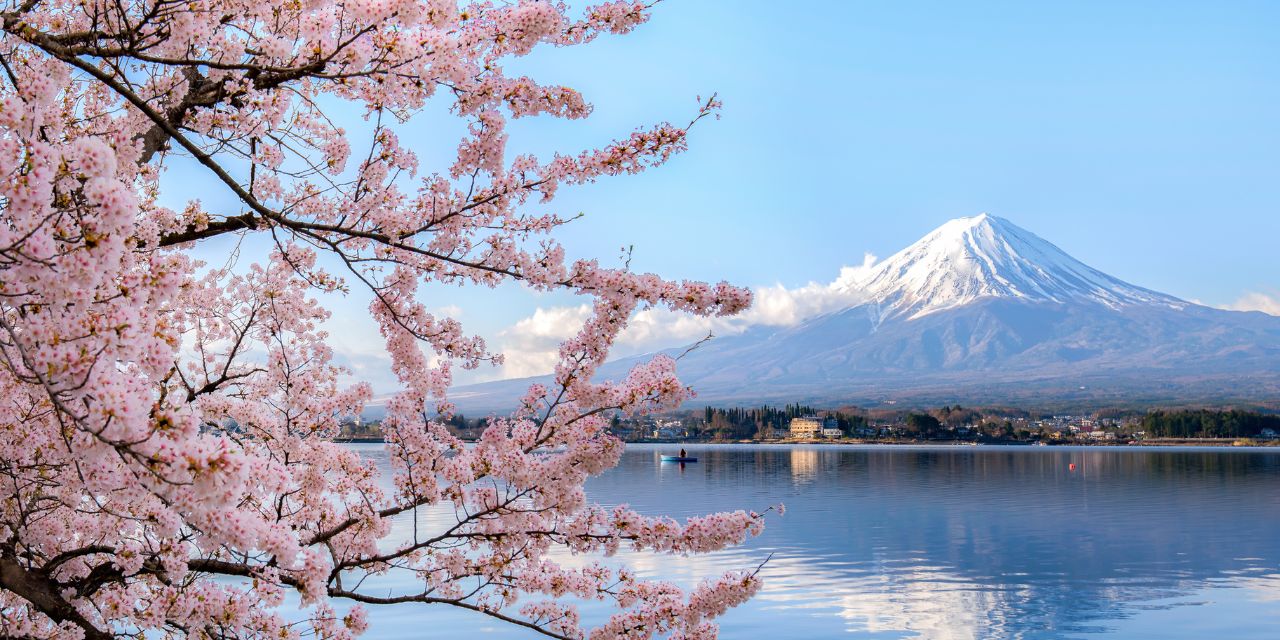
If you’ve ever dreamed of standing under a shower of pink petals, timing is crucial. Sakura bloom dates shift slightly each year, but here’s the typical timeline for 2025/2026:
-
Tokyo / Kyoto / Osaka: Late March – Early April
-
Hokkaido (Sapporo): Late April – Early May
-
Okinawa: Mid-January – Early February (yes, that early!)
🌸 Pro tips:
-
Book hotels 3–6 months in advance — rooms vanish quickly.
-
Visit major spots like Ueno Park (Tokyo), Philosopher’s Path (Kyoto), or Himeji Castle early in the morning to beat crowds.
Best Time to Visit for Fall Foliage
Japan’s autumn is a painter’s dream. Fiery red maples and golden ginkgo trees transform parks and temples into living artworks.
-
Hokkaido: Mid-September – Early October
-
Tokyo / Kyoto: Late October – Late November
-
Kyushu: Early – Mid-November
🍁 Top spots:
-
Arashiyama (Kyoto): Autumn magic with temples and rivers.
-
Nikko (Tochigi): Perfect blend of shrines and nature.
-
Fuji Five Lakes: Dramatic fall colors against Mount Fuji.
Best Time for Budget Travelers
If you’re watching your wallet, timing is key. Airfares and hotels can drop by 30–50% during off-peak seasons:
-
January – Early March: Cold but quiet.
-
Late May – Early June: Pre-rainy season lull.
-
Late September – Early December: Post-typhoon calm.
💡 Money-saving tip: Travel mid-week and avoid weekends and national holidays for the best deals.
Best Time for Festivals & Cultural Events
Japan’s cultural calendar is bursting with festivals (matsuri). Here’s when to catch the best:
-
February: Sapporo Snow Festival (Hokkaido) – giant ice sculptures.
-
March: Hinamatsuri (Girls’ Day) – charming doll displays.
-
July: Gion Matsuri (Kyoto) – one of Japan’s biggest festivals.
-
August: Nebuta Matsuri (Aomori) – spectacular float parades.
-
November: Shichi-Go-San – adorable kids in traditional kimono.
Best Time for Food Lovers
Foodies, listen up — Japan is delicious year-round, but some seasons bring special treats:
-
🍱 Winter: Hot pot, ramen, and crab feasts.
-
🍡 Spring: Sakura-themed sweets and matcha desserts.
-
🍉 Summer: Cold noodles and festival street food.
-
🍁 Autumn: Chestnuts, sweet potatoes, and matsutake mushrooms.
Best Time for Outdoor Adventures
-
🏔️ Hiking: June – October (Mt. Fuji season: early July – early September)
-
🎿 Skiing/Snowboarding: December – March (best powder: January–February)
-
🏖️ Beaches: July – early September (Okinawa’s season starts as early as April)
Worst Times to Visit Japan
Even paradise has its downsides. These are the times to think twice:
Golden Week (Late April – Early May)
-
A cluster of public holidays means massive crowds and expensive hotels.
Obon Festival (Mid-August)
-
Big family travel period = packed trains, crowded attractions.
New Year Holidays (Late December – Early January)
-
Magical but busy — many shops and attractions close.
Rainy Season (June – Mid-July)
-
Humid, wet, and not ideal for sightseeing.
Typhoon Season (September)
-
Risk of flight cancellations and heavy storms, especially in southern Japan.
Month-by-Month Breakdown (2025–2026 Guide)
January
-
❄️ Cold and clear. Great for skiing and onsen.
-
🎍 New Year celebrations.
February
-
❄️ Still cold. Ideal for winter festivals and hot springs.
-
🍲 Comfort food heaven.
March
-
🌸 Early blossoms in southern Japan.
-
🌦️ Mild weather, slightly fewer crowds.
April
-
🌸 Peak cherry blossom season.
-
🚶♂️ Busy but magical.
May
-
🌷 Warm and pleasant, perfect for hiking.
-
⚠️ Avoid Golden Week.
June
-
☔ Rainy and humid.
-
🌿 Lush greenery and fewer tourists.
July
-
☀️ Hot and lively with summer festivals.
-
🗻 Start of Mt. Fuji climbing season.
August
-
☀️ Very hot and humid.
-
🎆 Fireworks and cultural festivals.
September
-
🌪️ Typhoon risk, but early autumn colors in Hokkaido.
October
-
🍁 Crisp weather and early foliage.
-
📸 Excellent photography month.
November
-
🍁 Peak fall colors.
-
🌤️ Best sightseeing weather.
December
-
❄️ Cold and festive.
-
🎄 Christmas lights and winter charm.
Tips for Choosing the Best Travel Dates
-
🎯 Set priorities: Sakura, snow, or savings? Choose your focus first.
-
📆 Check school holidays: Both Japanese and global breaks affect prices.
-
✈️ Book early: Flights and hotels can sell out months in advance during peak seasons.
What to Pack Depending on the Season
-
Spring: Light jacket, layers, umbrella.
-
Summer: Breathable clothes, sun hat, rain gear.
-
Autumn: Cozy sweaters, light scarf.
-
Winter: Warm coat, gloves, heat packs.
Conclusion
Japan is one of those rare destinations that’s worth visiting anytime — but choosing the right season makes it truly unforgettable. Whether it’s chasing cherry blossoms in April, hiking through fiery forests in November, or soaking in hot springs under falling snow in January, there’s a “perfect Japan” waiting for you.
Now that you know the best and worst times to go in 2025 and 2026, all that’s left is to pack your bags, charge your camera, and get ready for a trip you’ll never forget.
FAQs
1. Is Japan expensive to visit during cherry blossom season?
Yes, flights and hotels can double in price during late March to early April. Booking early helps you save money.
2. When is the cheapest month to visit Japan?
January, February, and early June are typically the most budget-friendly.
3. Can I climb Mt. Fuji year-round?
No, the official climbing season is early July to early September for safety reasons.
4. Is it worth visiting during the rainy season?
If you don’t mind occasional showers, June offers fewer crowds and lush scenery — just pack waterproof gear.
5. What’s the worst weather month in Japan?
September often brings heavy typhoons, especially in southern regions. It’s best to avoid unless you’re flexible.