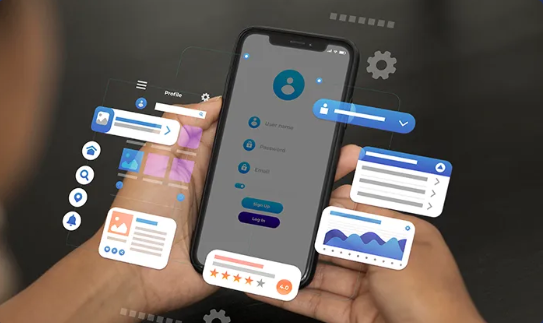
Mobile apps are everywhere. From ordering your morning coffee to tracking your fitness goals, there’s an app for almost everything. But here’s the catch — building apps hasn’t always been easy. Traditionally, you needed a team of developers, designers, testers, and months (sometimes years) of effort to get a single app out the door.
Enter low-code platforms — tools that promise to change the game by letting people create mobile apps without drowning in complex code. But can they really transform mobile app development, or is it just another tech buzzword? Let’s dive in and find out.
What Are Low-Code Platforms?
Before we get into the “transformation” part, let’s clear the basics.
A low-code platform is a software development tool that allows you to build applications using drag-and-drop interfaces, pre-built templates, and minimal coding. Instead of writing thousands of lines of code from scratch, you assemble the app like building blocks.
Think of it as cooking with a meal kit. Instead of shopping for ingredients, chopping vegetables, and grinding spices, you get everything prepped and ready. You just put it together, add your flavor, and boom — dinner (or in this case, an app) is served.
Key Features of Low-Code Platforms:
-
Drag-and-drop design: Visually create app screens instead of coding every pixel.
-
Pre-built components: Buttons, forms, integrations, and APIs are ready to use.
-
Cross-platform support: Build once and launch on iOS, Android, and even web.
-
Automation tools: Workflows and processes can be automated with a few clicks.
-
Collaboration-friendly: Business teams and IT can work together without friction.
Why Low-Code Platforms Matter in Today’s World
Mobile app demand is skyrocketing. Businesses of all sizes want apps for customers, employees, or both. But here’s the problem:
-
Skilled developers are expensive and hard to find.
-
Traditional app development takes months, if not years.
-
Budgets are tight, and speed is everything.
This is where low-code platforms step in. They promise:
-
Faster time-to-market (weeks instead of months).
-
Lower costs (fewer developers needed).
-
Accessibility (even non-developers can contribute).
How Do Low-Code Platforms Transform Mobile App Development?
Here’s the juicy part. Let’s explore the real transformation happening thanks to low-code platforms.
1. Speeding Up Development
Traditional coding can feel like running a marathon barefoot. Low-code platforms are like giving you sneakers, water bottles, and a cheering squad. Developers can skip repetitive tasks and use ready-made templates to save weeks of work.
Imagine building a food delivery app. With low-code, you don’t have to code login systems or payment gateways from scratch — they’re already there. You just configure them.
2. Making App Development Accessible
Not everyone is a coding wizard, and that’s okay. With low-code tools, even business analysts, designers, or entrepreneurs with zero coding experience can participate in app creation.
It’s like opening the gates of app development to the masses. The technical bottleneck is gone, and more creative ideas can come to life.
3. Bridging the Gap Between IT and Business
In traditional setups, business teams dream up features, and IT teams struggle to implement them. Miscommunication is common. Low-code platforms provide a shared visual language so both sides can collaborate in real time.
Think of it as speaking the same language at last. Business users can show what they want, and IT ensures it’s technically sound.
4. Reducing Costs
Hiring a full-stack development team costs big bucks. Low-code platforms reduce the need for large teams by simplifying the process. Companies can spend less on manpower and more on innovation.
For startups or small businesses, this is a lifesaver.
5. Continuous Innovation
Low-code isn’t just about building apps quickly; it’s also about updating them easily. Need to tweak a feature? Just drag, drop, and deploy. No messy rewrites or downtime.
The Role of Low-Code in Mobile-First Businesses
Mobile-first businesses — those that prioritize mobile apps as their main service platform — are exploding. Think of Uber, TikTok, or Airbnb.
For these businesses, speed and adaptability are crucial. Low-code platforms give them the ability to:
-
Test ideas faster.
-
Launch MVPs (minimum viable products) quickly.
-
Iterate based on user feedback without burning money.
Can Low-Code Replace Traditional Development?
Here’s where we need to pump the brakes.
Low-code platforms are powerful, but they’re not a magic wand. Some apps still need traditional coding. Why?
-
Complex logic: Advanced gaming apps, AI-driven apps, or highly customized tools may need hardcore coding.
-
Scalability concerns: Very large apps with millions of users might need traditional infrastructure.
-
Customization limits: Low-code platforms can only go so far with unique features.
So, instead of replacing developers, low-code platforms complement them. Developers can focus on complex tasks while low-code handles the basics.
Real-World Examples of Low-Code Platforms in Action
Let’s look at how low-code is already making waves.
Example 1: Banking Apps
Banks need mobile apps for transactions, account management, and customer support. With low-code, they can quickly roll out secure apps while ensuring compliance with regulations.
Example 2: Healthcare
Hospitals use low-code to create patient portals, appointment apps, and telehealth solutions. This speeds up access to care and improves patient experience.
Example 3: Startups
Startups love low-code because it allows them to launch MVPs quickly, test market response, and scale later with traditional coding if needed.
Popular Low-Code Platforms You Should Know About
If you’re curious, here are some top players in the low-code market:
-
OutSystems
-
Mendix
-
Appian
-
Microsoft Power Apps
-
Zoho Creator
Each comes with unique strengths, but all aim to make app building faster and easier.
Benefits of Low-Code Platforms (At a Glance)
Here’s a quick list to summarize:
-
Faster development cycles.
-
Reduced costs.
-
Greater collaboration between teams.
-
Easier app maintenance and updates.
-
Empowering non-developers to participate.
-
Shorter learning curve compared to traditional coding.
Challenges and Limitations of Low-Code
Of course, no technology is perfect. Here are some challenges:
-
Customization limits: Some apps need more flexibility than low-code allows.
-
Vendor lock-in: Once you build on a platform, switching can be difficult.
-
Performance issues: Large-scale apps may struggle with performance.
-
Security concerns: Not all platforms are equally secure.
The Future of Low-Code Platforms in Mobile App Development
Industry experts predict that by 2030, most mobile apps will be built with low-code or no-code platforms. Gartner even estimates that 70% of new applications will use low-code technologies by 2025.
This means we’re heading into an era where:
-
App development is democratized.
-
Businesses can innovate faster.
-
Developers focus on solving complex problems, not reinventing the wheel.
Low-code platforms won’t kill traditional coding, but they will redefine how we think about building apps.
FAQs on Low-Code and Mobile App Development
1. Can anyone use a low-code platform to build an app?
Yes, that’s the point! Low-code is designed so that even non-developers can build apps with minimal training.
2. Are low-code apps secure?
Security depends on the platform. Most reputable low-code tools follow industry standards, but it’s always wise to check compliance features.
3. Can low-code apps scale for millions of users?
Some can, but it depends on the complexity of the app. For massive user bases, a hybrid approach with traditional coding might be needed.
4. How much does a low-code platform cost?
Costs vary. Some offer free plans, while enterprise versions can run into thousands per month.
5. Is low-code just a trend?
Not at all. Low-code adoption is growing rapidly and is expected to dominate app development in the coming years.
Final Takeaway
So, can low-code platforms transform mobile app development? The answer is a resounding yes — but with nuance.They speed up development, cut costs, empower non-developers, and allow businesses to innovate faster. But they’re not a silver bullet. For complex, large-scale, or highly customized apps, traditional development still plays a critical role.Think of low-code as the power tool in your toolbox. You could build a house with just a hammer and nails, but why would you when you can use an electric drill?
In the end, low-code platforms aren’t here to replace developers. They’re here to make app creation smarter, faster, and more accessible. And that, my friend, is nothing short of transformative.